Customer satisfaction is a crucial aspect of any business operation. It refers to the extent to which a company’s products or services meet or exceed the expectations of its customers. Understanding customer satisfaction involves delving into the customer’s perception of the value provided by a business and their overall experience with the brand. It is not just about meeting basic needs but also about creating a positive emotional connection with the customer. This emotional connection can drive loyalty, repeat business, positive word-of-mouth, and ultimately contribute to the company’s bottom line.
The journey of understanding customer satisfaction begins with gathering and analyzing customer feedback. This can be achieved through various means such as surveys, interviews, and social media monitoring. By actively seeking and listening to customer feedback, businesses can gain valuable insights into their customers’ needs, preferences, and pain points. These insights can then be used to tailor products, services, and overall customer experience to better meet and exceed customer expectations.

By understanding customer satisfaction and the factors that influence it, businesses can make informed decisions to continuously improve their offerings and strengthen their relationship with customers. This understanding serves as the foundation for developing and implementing effective strategies to enhance customer satisfaction throughout the entire customer journey.
Importance of Customer Satisfaction in Business
The importance of customer satisfaction in business cannot be overstated. Satisfied customers are more likely to become repeat buyers and brand advocates, leading to increased sales and positive referrals. In contrast, dissatisfied customers can have a detrimental impact on a business, often sharing their negative experiences with others and potentially damaging the company’s reputation.
Furthermore, in today’s digital age where information is readily accessible, a single negative review or customer experience can quickly spread and influence the purchasing decisions of countless potential customers. Therefore, businesses that prioritize customer satisfaction are not only able to retain existing customers but also attract new ones through positive word-of-mouth and online reviews.
Moreover, customer satisfaction is closely linked to customer loyalty. Studies have shown that loyal customers tend to spend more, are less price-sensitive, and are more likely to forgive occasional service issues. By prioritizing customer satisfaction, businesses can build long-term relationships with their customers, leading to higher customer lifetime value and sustainable business growth.
Key Strategies for Achieving Customer Satisfaction
Achieving customer satisfaction requires a comprehensive approach that encompasses various aspects of the business, from product development to after-sales support. One key strategy is to focus on delivering high-quality products and services that consistently meet or exceed customer expectations. This involves investing in research and development, quality control, and continuous improvement to ensure that the offerings are aligned with customer needs and preferences.
Another important strategy is to provide exceptional customer service at every touchpoint. This includes training and empowering customer-facing staff to effectively address customer inquiries, issues, and complaints in a timely and professional manner. By prioritizing customer service, businesses can build trust and loyalty with their customers, even in the face of occasional hiccups.
Additionally, businesses can differentiate themselves by offering personalized experiences that cater to individual customer preferences. This can be achieved through data-driven personalization, where customer data and insights are used to tailor product recommendations, marketing communications, and overall interactions with the brand. Personalization shows customers that their unique needs are valued, leading to increased satisfaction and engagement.
Implementing Effective Customer Feedback Systems
Implementing effective customer feedback systems is essential for gaining insights into customer satisfaction and driving continuous improvement. These systems can take various forms, including surveys, feedback forms, online reviews, and social media monitoring. By collecting and analyzing customer feedback, businesses can identify areas for improvement, recognize trends, and address issues before they escalate.
Moreover, businesses can leverage technology to streamline the feedback collection process and gain real-time insights. This can involve implementing customer feedback software, sentiment analysis tools, and customer relationship management (CRM) systems to centralize and analyze customer feedback data. By harnessing the power of technology, businesses can gain a deeper understanding of customer sentiment and make data-driven decisions to enhance satisfaction.
Furthermore, it’s essential to actively listen to customer feedback and communicate the actions taken in response. This not only demonstrates that the business values customer input but also shows a commitment to continuous improvement. By closing the feedback loop, businesses can foster trust and transparency with their customers, leading to increased satisfaction and loyalty.
Handling Customer Complaints and Issues
Handling customer complaints and issues effectively is crucial for maintaining and improving customer satisfaction. When a customer encounters a problem or expresses dissatisfaction, it presents an opportunity for the business to demonstrate its commitment to customer-centricity and problem resolution.
First and foremost, businesses should have clear and accessible channels for customers to voice their concerns. This can include dedicated customer support hotlines, email addresses, live chat, and social media channels. By providing multiple avenues for customers to reach out, businesses can ensure that customers can easily seek assistance when needed.
Once a complaint is received, it’s important to acknowledge it promptly and empathetically. This demonstrates that the business values the customer’s experience and is committed to finding a resolution. Customer service representatives should be equipped with the training and authority to address complaints effectively, whether it involves issuing refunds, providing replacements, or offering other forms of compensation.
Moreover, businesses should use complaints as learning opportunities to identify and address underlying issues. By analyzing recurring complaints and root causes, businesses can take proactive measures to prevent similar issues from arising in the future. This not only improves the overall customer experience but also signals a commitment to continuous improvement and customer satisfaction.
Utilizing Technology to Enhance Customer Satisfaction
Technology plays a significant role in enhancing customer satisfaction across various touchpoints of the customer journey. From the initial interaction with the brand to post-purchase support, technology can streamline processes, personalize experiences, and improve overall customer satisfaction.
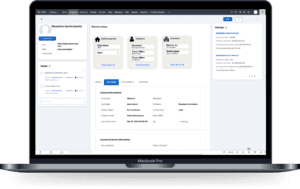
One way businesses can utilize technology is through the implementation of customer relationship management (CRM) systems. These platforms enable businesses to centralize customer data, track interactions, and gain insights into customer behaviour and preferences. By leveraging CRM systems, businesses can deliver more personalized and targeted communications, anticipate customer needs, and build stronger, long-lasting relationships with their customers.
Taking advantage of financial advisor crm software and implementing it within your business is a great way to see the immediate benefits technology can offer your business and your clients.
Furthermore, advancements in artificial intelligence (AI) and machine learning have opened up new possibilities for enhancing customer satisfaction. AI-powered chatbots, for example, can provide instant and personalized support to customers, addressing common inquiries and issues in real time. This not only improves the efficiency of customer service but also ensures that customers receive timely assistance, leading to higher satisfaction levels.
Moreover, technology can be used to create seamless and convenient customer experiences, such as through user-friendly e-commerce platforms, mobile apps, and self-service portals. By providing customers with intuitive and efficient ways to interact with the brand, businesses can enhance satisfaction and loyalty while differentiating themselves from competitors.
Training and Empowering Your Team for Customer Satisfaction
The role of the team in driving customer satisfaction is paramount. Employees who interact with customers directly, whether in sales, customer service, or support roles, play a crucial part in shaping the customer experience. Therefore, it’s essential to invest in training and empowering the team to deliver exceptional service and support that aligns with the company’s customer satisfaction goals.
Training should focus on equipping employees with the necessary knowledge, skills, and tools to understand and cater to customer needs effectively. This can involve customer service training, product knowledge sessions, and conflict resolution workshops to ensure that employees are prepared to handle a variety of customer interactions with confidence and professionalism.
Empowerment is equally important, as it gives employees the autonomy and authority to make decisions that prioritize customer satisfaction. When employees feel empowered to take ownership of customer issues and provide timely solutions, it leads to more positive customer interactions and ultimately higher satisfaction levels. Empowerment can be achieved through clear guidelines, decision-making frameworks, and a culture that values proactive problem-solving.
Moreover, recognizing and rewarding employees who consistently contribute to customer satisfaction can further motivate the team to prioritize customer-centric behaviours. By fostering a customer-centric culture and providing the necessary support and recognition, businesses can ensure that their team is aligned to enhance customer satisfaction at every opportunity.
Keep Manufacturing Facilities Up To Date And Suitable
The quality and suitability of manufacturing facilities can significantly impact the customer satisfaction of a product or service. Outdated or inadequate facilities can lead to production delays, quality issues, and ultimately affect the customer experience. Therefore, it’s essential for businesses to keep their manufacturing facilities up to date and suitable to meet the demands of the market and the expectations of customers.
Investing in modern equipment, technology, and infrastructure can improve the efficiency and quality of manufacturing processes, leading to better products and shorter lead times. This, in turn, can result in faster delivery and higher customer satisfaction. Shipping your product in the right format speeds and reduces the costs of delivery. Investing in the right equipment for this is important, learn more here about packaging solutions for palatised onward transport. Additionally, maintaining a safe and clean working environment not only ensures compliance with regulations but also reflects positively on the brand’s commitment to quality and professionalism.

Furthermore, businesses should prioritize sustainability and ethical practices in their manufacturing processes. Customers are increasingly conscious of the environmental and social impact of the products they purchase, and businesses that demonstrate a commitment to sustainable and ethical manufacturing can enhance customer satisfaction and loyalty. This can involve initiatives such as energy-efficient operations, waste reduction, and responsible sourcing of materials.
Keeping up manufacturing and warehousing can have a great effect on your relationships with your customers. Having the space to manufacture the volumes needed to satisfy customer demand is often key. Moving facilities is not often possible without severe disruption. Steel buildings have the distinct advantage here, they can be erected fast and up and running way before traditional methods would allow. Learn more about steel buildings, from a simple shed to an aircraft hanger.

Measuring and Tracking Customer Satisfaction
Measuring and tracking customer satisfaction is essential for evaluating the effectiveness of customer satisfaction strategies and identifying areas for improvement. This involves gathering data and insights to understand how satisfied customers are with the products, services, and overall experience provided by the business.
One common method of measuring customer satisfaction is through the use of surveys and feedback mechanisms. These can take the form of Net Promoter Score (NPS) surveys, customer satisfaction (CSAT) surveys, and customer effort score (CES) surveys, among others. By regularly collecting and analyzing survey data, businesses can gauge customer sentiment, identify trends, and pinpoint areas that require attention.
Moreover, businesses can leverage customer feedback and review platforms to gain insights into customer satisfaction. Monitoring online reviews, social media mentions, and customer feedback channels can provide real-time visibility into customer sentiment and experiences. This can help businesses identify both positive and negative trends and take proactive measures to address any issues that may arise.
Additionally, businesses can utilize customer data and analytics to track key performance indicators (KPIs) related to customer satisfaction. This can include metrics such as customer retention rates, average order value, and customer lifetime value. By tracking these metrics over time, businesses can assess the impact of their customer satisfaction strategies and make data-driven decisions to drive continuous improvement.
Employ Professional CRM Services
Employing professional customer relationship management (CRM) services can significantly enhance a business’s ability to manage and improve customer satisfaction. CRM services provide the tools and capabilities to centralize customer data, track interactions, and analyze customer behaviour, enabling businesses to build stronger and more personalized relationships with their customers.
One of the key benefits of CRM services is the ability to gain a 360-degree view of the customer. By consolidating customer data from various touchpoints, businesses can gain insights into customer preferences, purchase history, and engagement patterns. This holistic view allows businesses to tailor their offerings and communications to better meet individual customer needs, ultimately driving higher satisfaction levels.
Moreover, CRM services enable businesses to automate and streamline customer interactions, such as personalized marketing campaigns, targeted promotions, and customer support workflows. By leveraging automation, businesses can ensure that customers receive timely and relevant communications that resonate with their preferences, leading to increased satisfaction and engagement.
Furthermore, CRM services provide robust reporting and analytics capabilities, allowing businesses to track and measure key metrics related to customer satisfaction. This data-driven approach enables businesses to identify areas for improvement, optimize their customer engagement strategies, and ultimately enhance overall satisfaction levels.
Conclusion
In conclusion, customer satisfaction is a critical driver of business success, impacting customer loyalty, brand reputation, and financial performance. By understanding the importance of customer satisfaction, implementing effective strategies, and leveraging technology and customer feedback, businesses can create exceptional experiences that resonate with their customers and drive long-term loyalty.
From prioritizing high-quality products and exceptional customer service to investing in modern manufacturing facilities and professional CRM services, businesses can take a comprehensive approach to enhancing customer satisfaction throughout the entire customer journey. By continuously measuring, tracking, and improving customer satisfaction, businesses can build strong, enduring relationships with their customers and position themselves for sustainable growth and success.
Ultimately, by placing the customer at the centre of their operations and decision-making, businesses can differentiate themselves in a competitive market, foster customer loyalty, and drive positive business outcomes. Customer satisfaction is not just a goal but a continuous journey that requires dedication, innovation, and a relentless focus on meeting and exceeding customer expectations.

About Debz Louise
Debz Louise is a UK-based lifestyle expert and the founder of several lifestyle blogs. Specialising in everything from interior design and home renovation to body-positive fashion and parenting, Debz brings a wealth of hands-on experience to every guide. Her mission at Stereotude is to simplify the modern world for her readers through expert curation and fiercely honest advice.