Essential Role of Business Machine Tools in Modern Manufacturing – Business machine tools have come a long way in the manufacturing industry, revolutionizing the way products are designed, fabricated, and assembled. The evolution of these tools has been driven by the need for increased precision, efficiency, and flexibility in production processes. Historically, the earliest machine tools, such as lathes and mills, were manually operated, requiring skilled craftsmen to manipulate the tools to create intricate parts. #
The transition from conventional machine tools to advanced computer-controlled systems has been a game-changer for the manufacturing industry. CNC machines, for instance, have the ability to produce intricate parts with unparalleled precision and repeatability, thereby reducing the margin of error and enhancing overall product quality. Furthermore, the integration of CAD/CAM software has streamlined the design and manufacturing process, allowing for seamless translation of digital models into physical components. This evolution has not only expanded the capabilities of business machine tools but has also opened up new avenues for innovation in product development and customization. As manufacturing continues to evolve, the role of business machine tools in driving this transformation cannot be overstated.
The adoption of advanced business machine tools has paved the way for enhanced production efficiency in modern manufacturing. The precision and speed offered by these tools have significantly reduced lead times and increased output, enabling manufacturers to meet market demands with greater agility. Moreover, the ability to automate repetitive tasks has freed up human resources to focus on more complex and value-added activities, leading to improved overall productivity. The integration of modern business machine tools with intelligent systems, such as sensors and data analytics, has further optimized production processes, allowing for real-time monitoring and adaptive control. This level of efficiency has not only reduced operational costs but has also empowered manufacturers to achieve higher levels of output without compromising on quality.
Key Features and Capabilities of Advanced Business Machine Tools
Advanced business machine tools encompass a wide range of equipment designed to meet the diverse needs of modern manufacturing. CNC machining centres, for example, offer multi-axis capabilities, enabling the simultaneous machining of complex parts from various angles. This versatility allows for the production of intricate components with minimal setup time and increased throughput.
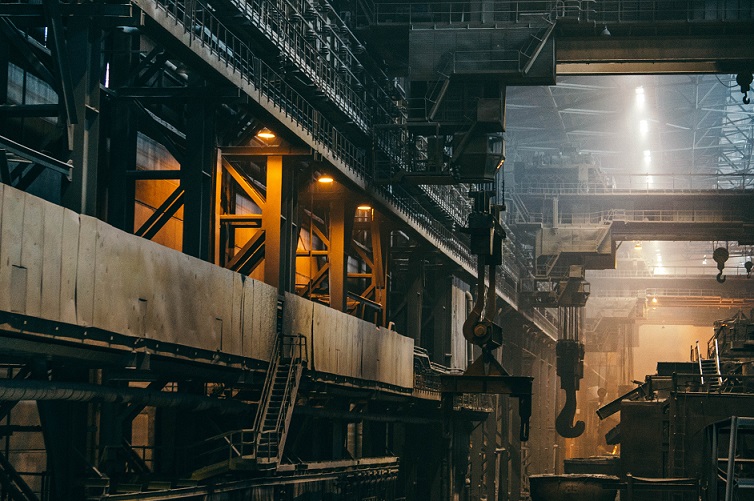
Additionally, the integration of advanced cutting tools, such as high-speed steel and carbide inserts, has enhanced the material removal rates and surface finishes, further elevating the performance of these machines. Furthermore, the incorporation of advanced tooling systems, including automatic tool changers and tool monitoring devices, has augmented the efficiency and reliability of machining operations, contributing to the overall competitiveness of manufacturers in the global market.
In addition to machining centers, modern business machine tools also encompass a diverse range of equipment, including turning centres, induction melting furnace, grinding machines, and EDM (electrical discharge machining) systems. Each of these tools offers like the ones offered by Durham instruments unique capabilities that cater to specific manufacturing requirements, such as high-precision turning, surface finishing, and the production of intricate cavities and features.
Moreover, the integration of advanced control systems, such as adaptive feed rate control and real-time tool wear compensation, has further enhanced the performance and accuracy of these machines, enabling manufacturers to achieve superior quality and consistency in their products. The continuous innovation in the design and functionality of business machine tools has not only expanded the possibilities for manufacturing but has also raised the bar for operational excellence in the industry.
The Role of Automation and Robotics in Modern Business Machine Tools
Automation and robotics have played a pivotal role in transforming the capabilities of business machine tools and revolutionizing modern manufacturing. The integration of robotic systems with machine tools has enabled the automation of complex tasks, such as material handling, part loading and unloading, and in-process inspection. This level of automation has not only reduced the reliance on human intervention but has also enhanced the overall productivity and operational efficiency of manufacturing facilities.
The use of collaborative robots, or cobots, alongside business machine tools has further expanded the possibilities for flexible automation, allowing for seamless interaction between human operators and robotic systems. This collaborative approach has not only improved the ergonomics and safety of manufacturing processes but has also empowered manufacturers to adapt to changing production requirements with agility and precision.

Furthermore, the integration of advanced vision systems and sensing technologies has augmented the capabilities of robotic systems, enabling them to perform complex tasks with a high degree of accuracy and reliability. Machine vision systems, for example, facilitate the identification of parts and features, allowing robots to adapt to variations in workpieces and environments. This level of flexibility has enabled manufacturers to implement agile and adaptive production systems that can accommodate a wide range of product variations and customization requirements.
Moreover, the use of advanced sensing technologies, such as force/torque sensors and proximity sensors, has enhanced the ability of robotic systems to interact with workpieces and tools, leading to improved process control and quality assurance. As a result, the synergy between automation, robotics, and business machine tools has redefined the possibilities for modern manufacturing, paving the way for agile and responsive production systems.
The deployment of automation and robotics in modern business machine tools has not only improved production efficiency but has also elevated the safety and ergonomic standards of manufacturing environments. The use of robotic systems for heavy lifting, repetitive tasks, and hazardous operations has reduced the risk of workplace injuries and occupational hazards, ensuring a safer and more sustainable working environment.
Furthermore, the integration of collaborative robots has facilitated human-robot interaction, allowing for the seamless coexistence of human operators and robotic systems on the production floor. This collaborative approach has not only enhanced the flexibility and adaptability of manufacturing processes but has also empowered workers to focus on higher-value activities, such as process optimization, quality control, and problem-solving.
The Importance of Precision and Accuracy in Business Machine Tools
Precision and accuracy are fundamental requirements in modern manufacturing, and business machine tools play a critical role in meeting these demands. The ability to consistently produce parts with tight tolerances and complex geometries is essential for ensuring the functionality and quality of end products. Advanced business machine tools, such as CNC machining centres and grinding machines, are equipped with high-precision components, including linear scales, rotary encoders, and high-resolution feedback systems, that enable them to achieve exceptional levels of accuracy and repeatability.
Moreover, the integration of advanced control algorithms and adaptive process control has further enhanced the precision of these machines, allowing for real-time adjustments and compensation for variations in material properties and cutting conditions. This level of precision is not only vital for meeting the stringent requirements of modern industries, such as aerospace, automotive, and medical devices but also for driving continuous improvement and innovation in manufacturing processes.
The pursuit of precision in business machine tools extends beyond the mechanical aspects of the equipment to include the software and programming that govern their operations. The use of advanced CAD/CAM software, for instance, allows manufacturers to create and optimize toolpaths that maximize the efficiency and accuracy of machining operations. Additionally, the integration of simulation and virtual prototyping tools enables manufacturers to validate and optimize their processes before physical production, reducing the risk of errors and rework.
The significance of precision and accuracy in business machine tools extends beyond the manufacturing process to encompass the entire product lifecycle. The ability to consistently produce high-precision components is critical for ensuring the functionality and longevity of end products, particularly in industries where safety, reliability, and performance are paramount. For example, in the aerospace and defence sector, the precision and accuracy of critical components, such as turbine blades and structural elements, directly influence the safety and performance of aircraft and defence systems.

Similarly, in the medical devices industry, the precision of implants, prosthetics, and surgical instruments is crucial for ensuring the success and safety of medical procedures. The role of business machine tools in delivering the precision and accuracy required for these applications cannot be overstated, as they serve as the foundation for the quality and integrity of the final products. As such, the pursuit of precision and accuracy in business machine tools is not just a technical requirement but a commitment to excellence and customer satisfaction in the manufacturing industry.
Integrating Business Machine Tools with Digital Technologies for Enhanced Productivity
The integration of business machine tools with digital technologies has enabled manufacturers to unlock new levels of productivity, efficiency, and agility in their operations. The convergence of machine tools with advanced software, connectivity, and data analytics has facilitated the seamless exchange of information and insights across the manufacturing ecosystem, enabling real-time decision-making and adaptive control.
The adoption of digital twin technology, for example, allows manufacturers to create virtual replicas of their machine tools and production processes, enabling them to simulate, monitor, and optimize their operations in a virtual environment. This level of digital integration has not only improved the efficiency and reliability of manufacturing processes but has also empowered manufacturers to explore new possibilities for process innovation and optimization.
Furthermore, the deployment of advanced connectivity solutions, such as Industrial Ethernet and wireless communication protocols, has facilitated the seamless integration of business machine tools with enterprise systems, such as ERP (enterprise resource planning) and MES (manufacturing execution systems). This level of connectivity has enabled the seamless exchange of production data, work orders, and quality information, allowing for real-time visibility and control of manufacturing operations.
Additionally, the integration of advanced data analytics and machine learning algorithms has empowered manufacturers to gain valuable insights into their processes, identify patterns and anomalies, and optimize their operations for enhanced productivity and quality. This digital transformation of business machine tools has not only elevated the competitiveness of manufacturers but has also set new standards for operational excellence and adaptive manufacturing.
The integration of digital technologies has also facilitated the implementation of smart manufacturing concepts, such as Industry 4.0 and the Industrial Internet of Things (IIoT), which have redefined the possibilities for modern production systems. The use of sensor technologies, for instance, enables the collection of real-time data on machine performance, energy consumption, and production quality, providing manufacturers with the visibility and intelligence to optimize their operations. Furthermore, the deployment of advanced analytics and predictive maintenance algorithms has enabled proactive upkeep of machine tools, reducing downtime and maintenance costs.
The adoption of digital technologies has thus transformed business machine tools into intelligent systems that not only perform manufacturing tasks but also contribute to the continuous improvement and optimization of production operations. As a result, the integration of digital technologies with business machine tools has become a cornerstone of modern manufacturing, enabling manufacturers to achieve new levels of productivity, flexibility, and competitiveness in the global market.
Investing in the Right Business Machine Tools for Your Manufacturing Business
Investing in the right business machine tools is a critical decision that can have a profound impact on the performance, capabilities, and competitiveness of a manufacturing business. The selection of machine tools should be driven by the specific needs and requirements of the production processes, as well as the long-term strategic objectives of the business. Factors such as the type of parts to be produced, the desired production volumes, the material properties, and the required levels of precision and complexity should all be taken into consideration when evaluating machine tool options.
Moreover, the reliability, serviceability, and support infrastructure of machine tool manufacturers should be carefully evaluated to ensure smooth and uninterrupted production operations. The availability of spare parts, technical expertise, and responsive customer support are essential factors that contribute to the overall uptime and efficiency of machine tools. Furthermore, the long-term strategic alignment of the machine tool supplier, in terms of research and development, technological innovation, and industry partnerships, should also be considered to ensure the future relevance and competitiveness of the equipment. Investing in the right business machine tools is thus a strategic decision that requires a thorough understanding of the current and future needs of the manufacturing business, as well as the evolving landscape of technology and industry standards.
The investment in business machine tools should also be viewed as a long-term commitment to the growth and sustainability of the manufacturing business. The capabilities and performance of machine tools directly influence the quality, efficiency, and competitiveness of production processes, and as such, the decision to invest in new equipment should be guided by a comprehensive assessment of the potential return on investment. Factors such as the expected improvements in production efficiency, the ability to meet evolving market demands, and the potential for new product development should all be factored into the decision-making process.
Furthermore, the potential for cost savings, quality improvements, and enhanced agility through the adoption of advanced machine tools and digital technologies should also be considered when evaluating the investment in new equipment. Learn more about roofing materials and more here. In essence, investing in the right business machine tools is not just a capital expenditure but a strategic enabler of growth, innovation, and competitiveness for manufacturing businesses.
*Collaborative post

About Debz Louise
Debz Louise is a UK-based lifestyle expert and the founder of several lifestyle blogs. Specialising in everything from interior design and home renovation to body-positive fashion and parenting, Debz brings a wealth of hands-on experience to every guide. Her mission at Stereotude is to simplify the modern world for her readers through expert curation and fiercely honest advice.