In today’s fast-paced world, securing our homes has never been more important. With the rise of modern technology, homeowners are now faced with a choice: stick with the familiar and trusted traditional locks, or embrace the convenience of smart locks? In the debate of the smart lock vs the traditional lock, it can be challenging to decide which option is best for your home. This blog post will explore the differences, pros, and cons of both systems, helping you make an informed choice when it comes to safeguarding your property.
Smart Locks vs Traditional Locks
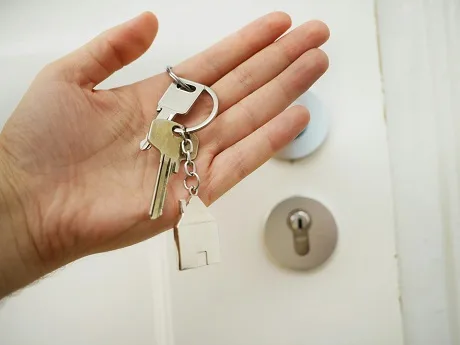
What is a Traditional Lock?
Traditional locks are mechanical locks that have been used for centuries to secure doors, windows, and other entry points. The most common type of traditional lock is the pin tumbler lock, which requires a physical key to unlock and lock. Other popular types include mortice locks, deadbolts, and cylinder locks, many of which meet the British Standard BS3621 – a certification required by many home insurance policies for their durability and security.
These locks are manually operated and, once installed, need little maintenance. Because they’ve been around for so long, homeowners tend to feel familiar and comfortable with traditional locks, and the act of using a key remains the symbol of security for many.
What is a Smart Lock?
Smart locks are the new kids on the block. These electronic locking systems allow homeowners to control access to their doors via smartphones, keypads, or fobs. They offer advanced features like remote access, integration with smart home systems, and the ability to assign unique codes to family members, guests, or service providers.
Smart locks can come in many forms. Some models require no physical key at all, while others are hybrids, offering both smart features and traditional key operation. They use Bluetooth, Wi-Fi, or Z-Wave technology to communicate with your devices, giving you the convenience of unlocking your door without needing to physically touch it.
Comparing Smart Locks vs Traditional Locks
When it comes to deciding between a smart door lock vs traditional lock, there are several key factors to consider, including security, convenience, cost, compatibility, and maintenance.
1. Security: How Do They Measure Up?
Security is often the top concern for homeowners when choosing a lock. Traditional locks are tried and tested, and high-quality versions can offer excellent security. Most UK homeowners are familiar with British Standard BS3621, which ensures that a lock meets strict criteria for durability, security, and resistance to tampering. This standard is often required by insurers, meaning that choosing a traditional lock with this rating can provide peace of mind.
On the other hand, smart locks bring a different level of security to the table. Many smart locks use advanced encryption to prevent hacking attempts, and the ability to remotely monitor and control your lock is a major security benefit. You can receive alerts if someone tries to tamper with your lock, or if the door is left open. However, smart locks can still have vulnerabilities, particularly if not set up correctly. Weak passwords, outdated software, or unpatched security flaws could leave your smart lock at risk.
In terms of physical security, smart locks aren’t inherently stronger than traditional locks – they can still be picked or forced open if not combined with strong deadbolts or other physical barriers. For this reason, it’s recommended to use a smart lock in combination with a BS3621-rated traditional lock for the best security.
2. Convenience and Ease of Use
One of the biggest draws of smart locks is their convenience. Imagine arriving home with your arms full of shopping bags and being able to unlock your door with just a tap on your smartphone. Or perhaps you want to let a guest or cleaner in while you’re out? With a smart lock, you can issue them a one-time code or unlock the door remotely from anywhere. You can also keep track of who enters and exits your home, giving you added peace of mind.
Traditional locks, while dependable, don’t offer this level of flexibility. You need to be physically present with your key to operate them, and if you lose that key, you could find yourself locked out. On the plus side, traditional locks are simple to use and require no tech know-how – as long as you have your key, you’re good to go.
3. Cost: Initial Investment and Long-Term Value
Cost is another important consideration in the smart lock vs the traditional lock debate. Traditional locks are generally more affordable, with the price of a good-quality BS3621-compliant lock and installation by a trusted locksmith ranging from £50 to £200, depending on the type of lock and door.
Smart locks, on the other hand, tend to be more expensive. A smart lock can cost anywhere from £100 to £400, with some premium models even higher. On top of this, you may need to pay for professional installation, especially if your door isn’t compatible with the smart lock system.
While smart locks have a higher upfront cost, they can add value over time. Features like remote access, guest codes, and integration with your smart home can make life more convenient. Some homeowners also see smart locks as a modern feature that could increase their property’s value.
4. Compatibility with Different Doors
When considering a smart door lock vs traditional lock, it’s important to think about door compatibility. Traditional locks can be fitted to nearly any type of door, from wooden to composite, provided the lock meets the necessary standards for security.
Smart locks, however, may not be compatible with all door types. Some smart locks are designed to fit over existing deadbolts, while others require a completely new lock system. Additionally, some older or non-standard doors may not support smart locks without significant adjustments.
Before purchasing a smart lock, it’s important to ensure it will fit your door. If in doubt, it’s always best to consult with a trusted locksmith, who can advise on the right lock for your door and ensure it’s installed correctly.
5. Maintenance and Reliability
Traditional locks are known for their durability and require very little maintenance. As long as the lock is properly installed and of good quality, it can last for many years with only occasional lubrication to keep it running smoothly.
Smart locks, while convenient, require more attention. They run on batteries, so you’ll need to monitor battery life and replace them when needed. If the batteries die and you don’t have a physical key backup, you could find yourself locked out. Smart locks also rely on software updates and internet connections, which could occasionally fail. Ensuring your lock’s firmware is up to date is crucial for maintaining security.
While smart locks offer great features, traditional locks win in terms of long-term reliability and minimal maintenance.

Can You Combine Smart Locks and Traditional Locks?
In the battle of smart or traditional lock, there doesn’t have to be a clear winner. In fact, many homeowners find that combining both types of locks offers the best of both worlds. You can install a smart lock for day-to-day convenience, while still having a traditional BS3621 lock for added security and as a backup in case your smart lock fails.
This hybrid approach is especially useful for those who want to enjoy the benefits of a smart lock but don’t want to sacrifice the reliability and familiarity of traditional locks. It also means your home is covered for any potential insurance requirements, as many insurance providers still require a BS3621-compliant lock.
Which Lock is Right for You?
Ultimately, the decision between a smart door lock vs a traditional lock comes down to your personal needs and preferences. If you’re someone who values modern convenience, smart locks offer a range of benefits that traditional locks can’t compete with. The ability to control your lock remotely, track access, and integrate with your smart home system is appealing for those who want a high-tech solution.
On the other hand, if simplicity, reliability, and affordability are your main concerns, a traditional lock is a time-tested solution that will never fail due to dead batteries or software glitches. It’s also easier to maintain and can last for many years without issue.
For ultimate security, you may want to consider a combination of both – using a traditional BS3621 lock for the main security and a smart lock for added convenience and peace of mind.
Final Thoughts
The debate of the smart lock vs the traditional lock isn’t necessarily about which one is better, but about which one is right for you. Smart locks bring modern technology and convenience to home security, while traditional locks offer a time-honoured sense of reliability. To ensure the best protection for your home, it’s essential to consult a trusted locksmith for advice on installation, maintenance, and how to meet insurance requirements. Whether you opt for smart, traditional, or a combination of both, securing your home is the most important priority.
If you’re considering upgrading your home’s locks or need advice on fitting or replacing a lock, visit a professional locksmith service for expert guidance and peace of mind.

About Debz Louise
Debz Louise is a UK-based lifestyle expert and the founder of several lifestyle blogs. Specialising in everything from interior design and home renovation to body-positive fashion and parenting, Debz brings a wealth of hands-on experience to every guide. Her mission at Stereotude is to simplify the modern world for her readers through expert curation and fiercely honest advice.