Navigating Workplace Hazards – Workplaces can vary greatly in terms of their environments, tasks, and potential hazards. From office settings to construction sites, each workplace presents its own unique risks that employers must address to ensure the safety and well-being of their employees. Let’s explore some common workplaces and the potential dangers employees may encounter, along with strategies employers can implement to keep their workforce safe.
Navigating Workplace Hazards
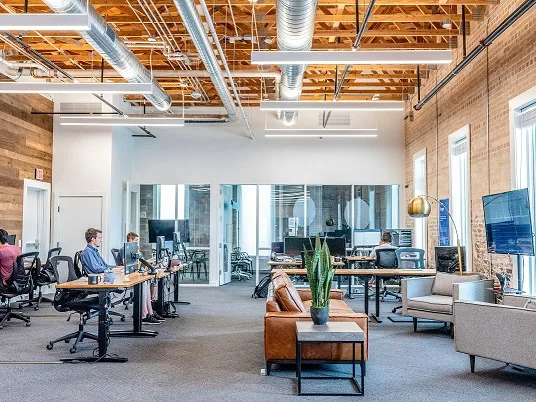
Office Environments
Potential Workplace Hazards: While offices may seem relatively low-risk compared to other workplaces, employees can still face hazards such as ergonomic injuries from improper workstation setups, slips, trips, and falls, and exposure to electrical hazards.
Employer Solutions: Employers can mitigate these risks by providing ergonomic furniture and equipment, conducting regular safety training on proper workstation ergonomics and hazard awareness, and maintaining a clean and organized work environment to prevent slips and trips.
Construction Sites
Potential Hazards: Construction sites are inherently dangerous environments, with risks such as falls from heights, electrocution, struck-by or caught-between accidents, and exposure to hazardous materials.
Employer Solutions: Employers should implement comprehensive safety protocols, provide personal protective equipment (PPE) such as hard hats, gloves, and safety harnesses, conduct regular safety inspections, and ensure proper training for all workers on hazard recognition and prevention.

Manufacturing Facilities
Potential Hazards: Manufacturing facilities pose risks such as machinery-related injuries, exposure to hazardous chemicals or substances, repetitive motion injuries, and noise-induced hearing loss.
Employer Solutions: Employers can safeguard employees by implementing machine guarding measures, providing adequate ventilation and personal protective equipment for chemical exposure, implementing ergonomic workstation designs, and conducting regular noise level assessments and providing hearing protection as needed.
Healthcare Settings
Potential Hazards: Healthcare workers face risks such as exposure to infectious diseases, workplace violence, musculoskeletal injuries from patient lifting and handling, and needlestick injuries.
Employer Solutions: Employers should provide proper training on infection control protocols, implement workplace violence prevention programs, provide lifting and handling equipment to reduce the risk of musculoskeletal injuries, and ensure the availability of safety-engineered medical devices to prevent needlestick injuries.
Retail Environments
Potential Hazards: Retail workers may encounter hazards such as slips, trips, and falls from wet or cluttered floors, lifting and carrying injuries from handling heavy merchandise, and workplace violence from confrontational customers.
Employer Solutions: Employers can address these risks by implementing regular housekeeping procedures to keep floors clean and clear, providing lifting aids and training on safe lifting techniques, and establishing de-escalation techniques and protocols for handling potentially violent situations.

Navigating Workplace Hazards
Compare Compensation Claims recently looked at what could cause an injury at work. They also looked at how this can vary by gender and of course by the type of work environment that people work in. They did research into the most common reasons for being injured in the workplace and as such, what could be done to prevent such injury from reoccurring.
In all workplaces, employers play a crucial role in ensuring the safety of their employees. By identifying potential hazards, implementing appropriate safety measures, providing comprehensive training, and fostering a culture of safety awareness, employers can create a work environment where employees feel protected and empowered to perform their jobs safely. Ultimately, prioritizing workplace safety not only prevents injuries and illnesses but also fosters a positive work environment and enhances overall productivity and morale.

About Debz Louise
Debz Louise is a UK-based lifestyle expert and the founder of several lifestyle blogs. Specialising in everything from interior design and home renovation to body-positive fashion and parenting, Debz brings a wealth of hands-on experience to every guide. Her mission at Stereotude is to simplify the modern world for her readers through expert curation and fiercely honest advice.