Essential Travel Safety Tips – Travelling offers an unparalleled opportunity to experience new cultures, landscapes, and cuisines. However, ensuring your safety while exploring is essential, whether you’re setting off on a weekend getaway or a lengthy adventure. Taking a few precautions and equipping yourself with the right tools can help safeguard your belongings and give you peace of mind. One of the best ways to enhance your travel security is to incorporate reliable gadgets like GPS trackers, which can be invaluable in safeguarding your luggage and personal items. Here’s a comprehensive guide to travel safety and the role technology can play in it.
Essential Travel Safety Tips
Travelling offers incredible adventures, but the safety of your belongings—especially your luggage—can be a constant concern. A luggage safety GPS device can make all the difference, allowing you to track your bags in real time and avoid the stress of lost or misplaced items. With modern GPS devices you can ensure your bags are safely monitored throughout your journey, giving you peace of mind whether you’re navigating crowded airports or multiple travel connections. In this article, we’ll share essential travel safety tips and explore how a luggage safety GPS device can be a valuable companion on your trips.
1. Plan and Research Your Destination
Before heading to any destination, research is vital. Familiarise yourself with local customs, language, and any specific safety tips or travel advisories relevant to your destination. For example, some places may have higher risks for pickpocketing, while others may require unique health precautions. Knowing the local emergency numbers, nearest embassy or consulate, and common phrases in the local language, such as “help” or “police,” can make a big difference if you find yourself in a challenging situation.
2. Secure Your Accommodation
When booking accommodation, choose reputable hotels, hostels, or rental properties that offer reliable security features. Prioritise locations with in-room safes, 24-hour front desk service, and secure entry systems. Even if you’re staying at an Airbnb or private rental, ensure that the property offers secure locks and accessible emergency exits. For added security, consider packing a portable door lock or door stopper to enhance your safety and add an extra layer of comfort to your stay.
3. Keep Valuables Out of Sight
One of the best ways to avoid becoming a target of theft is to keep valuables out of sight. Avoid displaying expensive jewellery, high-end cameras, or large amounts of cash in public spaces. When possible, carry only essential items with you, leaving unnecessary valuables safely secured in your hotel room. Using a concealed travel wallet or a hidden money belt can help keep your cash and identification safe and accessible while travelling.
4. Stay Alert in Crowded Spaces
Public transport, popular tourist attractions, and busy marketplaces are hotspots for pickpocketing and scams. Always remain vigilant in these crowded spaces, keeping your bag securely closed and close to your body. A crossbody bag or anti-theft backpack can be ideal for urban travel. Stay aware of your surroundings, particularly when approached by strangers offering unsolicited assistance or selling items, as these can sometimes be distractions for theft.
5. Invest in Travel Insurance
Travel insurance is essential for any trip, as it can cover unexpected medical expenses, travel delays, lost luggage, and more. Make sure your travel insurance plan includes coverage for the region you are visiting and is comprehensive enough to handle medical emergencies or other disruptions. In case of an accident or illness, travel insurance can be a financial lifesaver, especially if you’re in a country where medical expenses are high.
6. Track Your Luggage with a GPS Tracker
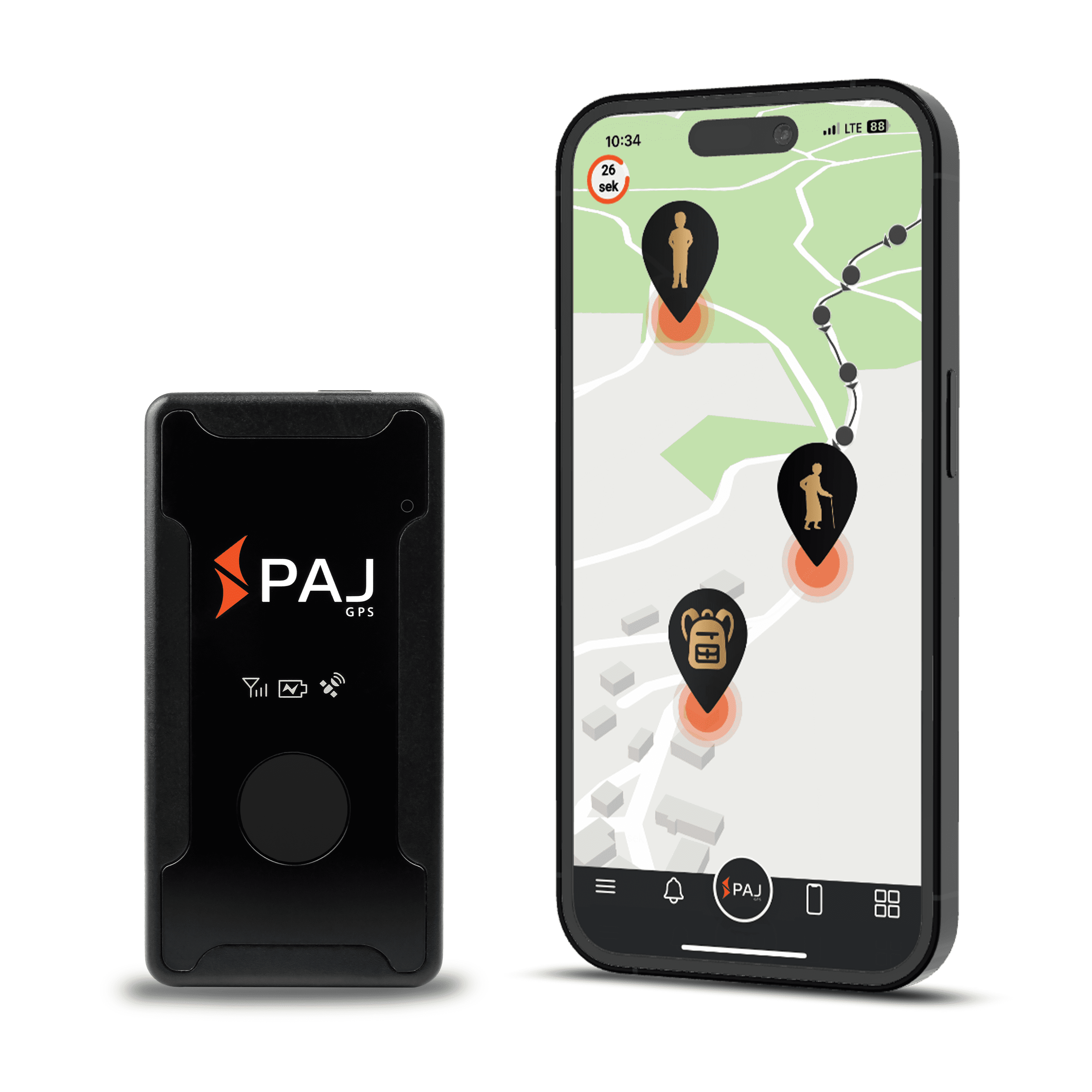
Lost luggage can be a frustrating experience, especially when travelling long distances or to multiple destinations. By opting for a reliable GPS tracker you can stay updated on the real-time location of your luggage, reducing the stress of lost items. GPS trackers work by connecting to your smartphone, allowing you to monitor your bag’s location at any time, whether it’s en route with the airline or stored in a luggage hold.
7. Make Copies of Important Documents
In case of an emergency, having copies of your passport, visa, travel itinerary, and insurance documents can be incredibly helpful. Make both physical and digital copies, storing the digital versions securely online where only you can access them. Keep the physical copies separate from the originals and carry them in a different bag or compartment, reducing the risk of losing all copies at once. Having these documents on hand can make a big difference in situations where you need quick access to identification or proof of travel insurance.
8. Stay Connected and Share Your Itinerary
Sharing your travel plans with family or friends can help them keep track of your whereabouts and provide a lifeline in case of emergency. Apps like Google Maps and WhatsApp allow you to share your real-time location with trusted contacts. This simple practice is especially important if you’re venturing into remote areas or places where mobile connectivity might be inconsistent. Make sure to check in regularly, especially if your plans change, and provide emergency contacts with the details of your accommodation and travel route.
9. Trust Your Instincts and Use Common Sense
No gadget or insurance can replace the value of good judgement. Trust your instincts, and if a situation doesn’t feel right, remove yourself from it. Avoid risky activities in unfamiliar areas, especially at night, and be cautious about accepting invitations from strangers. Relying on common sense and gut feelings can go a long way in helping you make smart decisions and avoid potentially dangerous situations.
10. Prepare for Emergencies
Preparation can make a big difference in emergencies. Make sure your phone is fully charged before heading out each day, and carry a portable charger for backup. It’s also wise to learn basic first aid, particularly if you’re going to a remote location. Emergency kits, including a small first aid pack and multi-tool, can come in handy in unexpected situations, providing basic supplies that might be difficult to obtain.
Conclusion
Travelling safely requires a mix of planning, vigilance, and the right tools. With essential gadgets like GPS trackers, you can minimise common travel risks and enjoy a worry-free journey. By following these tips you can make your adventures safer, knowing that your belongings are secure and that you’re prepared for any unexpected situation.

About Debz Louise
Debz Louise is a UK-based lifestyle expert and the founder of several lifestyle blogs. Specialising in everything from interior design and home renovation to body-positive fashion and parenting, Debz brings a wealth of hands-on experience to every guide. Her mission at Stereotude is to simplify the modern world for her readers through expert curation and fiercely honest advice.