Prepare Your Home for an Energy-Efficient Winter – Although winter is a good distance away in the future, making changes to your home now in time for the cold weather is a sensible move. Ensuring your home is energy-efficient not only helps reduce your carbon footprint but also saves on heating bills. With rising energy costs and increasing environmental concerns, taking steps to make your house more efficient is a smart move. Here are some practical tips and investments you can make now to ensure a warm and energy-efficient winter.
Prepare Your Home for an Energy-Efficient Winter: A Guide for UK Homeowners
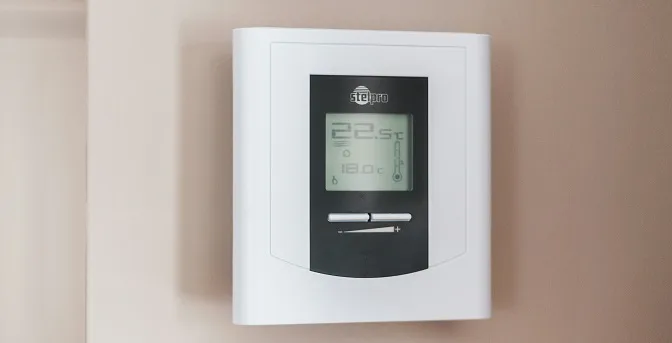
1. Invest in Smart Technology
Smart home technology is revolutionising the way we manage energy consumption. Here are a few smart devices that can make a significant difference:
Smart Thermostats
Smart thermostats, such as Nest or Hive, learn your heating preferences and adjust the temperature accordingly. They can be controlled remotely via smartphone apps, allowing you to heat your home more efficiently and avoid wasting energy. According to the Energy Saving Trust, installing a smart thermostat can save the average UK household up to £75 a year on heating bills.
Smart Radiator Valves
These allow for individual room temperature control. By only heating the rooms you’re using, you can significantly cut down on energy wastage. Smart valves can also be programmed to turn off when windows are open or when no one is in the room, ensuring optimal efficiency.
Energy Monitoring Systems
Devices like the Sense Energy Monitor track your home’s energy use in real-time, identifying appliances that consume the most energy. This information can help you make informed decisions about reducing energy consumption and improving efficiency.
2. Upgrade to a Gas Condensing Boiler
Gas condensing boilers such as a gas boiler from Viessmann are highly efficient, converting more than 90% of their fuel into heat compared to older models that operate at about 70-80% efficiency. The benefits of upgrading to a gas-condensing boiler include:
- Lower Energy Bills: Due to their higher efficiency, condensing boilers use less fuel to produce the same amount of heat, leading to significant savings on energy bills.
- Reduced Carbon Emissions: As they burn fuel more efficiently, these boilers produce fewer carbon emissions, making them a more environmentally friendly option.
- Increased Reliability: Modern condensing boilers come with advanced technology and safety features, providing more reliable heating throughout the winter.
3. Enhance Insulation
Proper insulation is crucial to prevent heat loss and maintain a warm home. Here are some key areas to insulate:
Loft and Roof Insulation
Around 25% of heat loss occurs through the roof. Insulating your loft or roof space can significantly reduce this. Loft insulation is relatively inexpensive and can last up to 40 years, providing long-term savings.
Wall Insulation
Cavity wall insulation can reduce heat loss by up to 35%. If you have solid walls, which are common in older UK homes, consider internal or external wall insulation. Although more costly, the energy savings and comfort improvements can be substantial.
Draught Proofing
Sealing gaps around windows, doors, and floorboards can prevent cold air from entering and warm air from escaping. Draught-proofing is a simple and cost-effective way to improve energy efficiency.
4. Install Double or Triple Glazing
Windows are another major source of heat loss. Replacing single-glazed windows with double or triple glazing reduces heat loss and condensation, keeping your home warmer and quieter. Look for windows with a high energy rating for the best performance.
5. Upgrade to Energy-Efficient Appliances
As you prepare for winter, consider replacing old, inefficient appliances with newer, energy-efficient models. Look for appliances with high energy ratings (A+++ to A) to ensure they use less electricity and perform efficiently.
6. Embrace Renewable Energy
If you’re looking to make a long-term investment, consider renewable energy sources such as solar panels or heat pumps. These systems can significantly reduce your reliance on fossil fuels and lower your energy bills over time. While the initial cost can be high, government incentives and schemes can help offset the expense.
7. Regular Boiler Maintenance
Ensure your boiler is serviced annually by a qualified engineer. Regular maintenance helps keep your boiler running efficiently, preventing breakdowns and ensuring it operates safely. A well-maintained boiler is less likely to waste energy, saving you money in the long run.
By taking these steps now, you can ensure your home is ready for an energy-efficient winter. From investing in smart technology to upgrading insulation and appliances, each improvement contributes to a warmer, more efficient, and environmentally friendly home. Not only will you enjoy the comfort of a well-heated house, but you’ll also benefit from lower energy bills and a reduced carbon footprint.

About Debz Louise
Debz Louise is a UK-based lifestyle expert and the founder of several lifestyle blogs. Specialising in everything from interior design and home renovation to body-positive fashion and parenting, Debz brings a wealth of hands-on experience to every guide. Her mission at Stereotude is to simplify the modern world for her readers through expert curation and fiercely honest advice.