Nurturing new plant life at a reduced cost ultimately cuts down on further expenditure for buying new plants. This thorough manual aims to provide you with accurate instructions, effectively turning your garden into a verdant sanctuary. By becoming proficient in these straightforward methods, you can support an ecologically sustainable garden.
Understanding Plant Propagation
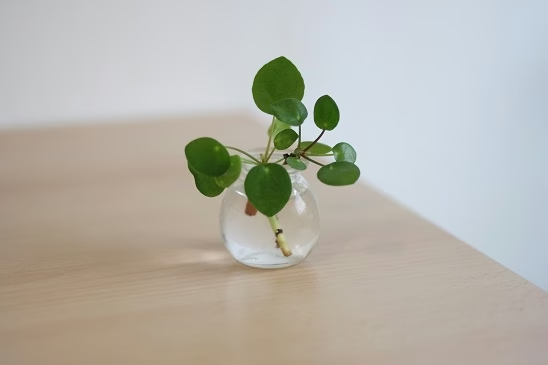
Is there anything more fascinating than bringing new life into the world from plants you already have? This is the essence of plant propagation, they are split into two primary methods: sexual and asexual.
In the context of sexual propagation, the process involves pollination where blossoms get fertilised. Then, seeds develop and we witness the birth of diverse new plants, from variegated roses to unique tomato breeds. Asexual propagation is less about seeds and more about smart shortcuts—cuttings, division, layering, and other clever tricks to clone a plant with precision. Succulents, for example, thrive under this method, making it a game-changer for gardeners.
Understanding the basics of plant biology unlocks a whole new level of success. Each species has its own playbook for reproduction, and once you know that, selecting the right propagation method becomes second nature. Some plants flourish from a simple cutting, while others must be divided. Recognising these subtleties allows gardeners to sculpt their green spaces with intention.
Perfecting these techniques doesn’t just make garden planning effortless—it elevates the entire outdoor aesthetic. Over time, the process becomes second nature, bringing a deep sense of satisfaction as you cultivate a space that feels truly alive. Propagation isn’t just about growing plants. It’s about understanding their rhythms, working with their instincts, and guiding them toward their fullest potential.
Choosing the Right Propagation Method
The way you propagate your plants isn’t just a technicality. It’s the key to their survival. Some thrive through cuttings, others flourish when their roots are split and shared. Branch layering works wonders for certain species, while some demand the slow patience of seed germination. Each method has its moment, and choosing the right one makes all the difference. Quick growth can be achieved in succulents and geraniums through cuttings, whereas hostas thrive by root division.
Branch layering works wonders for plants like honeysuckle. For vegetables such as beans and lettuce, seeds are the way to go, despite requiring a fair amount of patience. Understanding the growth process of plants makes a significant difference. Each plant follows a unique pattern of growth, requiring an optimal method of selection. Factors like plant preference for dry or wet conditions will influence whether seeds or cuttings are more effective.
You’ll also benefit from knowing the best growth time for a plant, with spring and early summer often being the ideal periods due to the warm and sunny conditions. The timing of propagation is also of great significance. The majority of plants flourish in the lengthy, warm days of spring and early summer. By aligning the propagation method and timing to the plant’s requirements, your garden will become a thriving haven of sprightly, robust plants.
Essential Tools and Materials
To get your plants growing right, you need some basic tools. Grab some sharp scissors or pruning shears. They’re perfect for neat cuts and keeping diseases away. Just remember to keep them clean. A dip in a simple bleach and water mix, then a good rinse, will do the trick. Picking the right pots and soil is a big deal, too. Every plant plays by its own rules, and choosing the right pot size is a game-changer. The soil mix isn’t a casual afterthought either. It’s the foundation that keeps everything thriving.
Before getting your hands dirty, make sure those pots are spotless. If they’ve had past tenants, a thorough rinse with hot water clears out any lingering troublemakers, giving new roots the best possible start. When gathering supplies, explore local nurseries, garden centres, and online shops. Hidden bargains are everywhere. Good deals don’t mean compromising on quality, and the right tools turn gardening from a chore into something genuinely rewarding.
Step-by-Step Guide to Taking Cuttings
So, if you want to grow plants from cuttings, start by picking a healthy, disease-free plant. Look for stems that aren’t too young or too old, semi-ripe ones are the sweet spot. This is the first step to transform your garden.
Cut about 4 to 6 inches of this stem, making sure it has a few nodes, which are those little bumps where leaves or roots would grow. After you’ve got your stem, take off the leaves from the bottom ,but leave some at the top. This helps the plant soak up sunlight and stay moist, which is great for growing roots.
You should use a rooting hormone, especially if you’re working with those tough, woody plants, to help them root faster. Pop the cutting into a small pot with moist, well-draining soil. Make it deep enough so it stands up straight. Cover the pot with clear plastic to keep it humid, but make sure the plastic doesn’t touch the leaves. Humidity is super important for getting roots to form. Put the pot somewhere warm with indirect light so it doesn’t dry out. Keep an eye on the soil and make sure it stays damp, but not too soggy, so those roots get strong.
Caring for Propagated Plants
Bright light and enough moisture are essential for the healthy growth of new plants. A substantial proportion of plants prefer scattered light, as excessive sunlight can potentially damage the leaves. A spot with filtered sunlight, aided by a curtain or a well-positioned luminous device, can prove beneficial.
The process of watering plants requires sensitivity. The aim is to strike a balance between unsaturated and waterlogged soil. An effective approach is to softly press the soil to observe its dampness. If it feels damp, the plant is receiving sufficient water. Additionally, in dry atmospheres, covering the plant with plastic film can help maintain humidity. Just meticulously remove the wrapping as the plant adjusts to its new environment.
Promptly addressing problems can prevent the decline of your plant. However, if you notice yellow leaves or mushy stems, chances are the plant is receiving excessive watering. It is recommended to decrease the amount of water you provide and guarantee proper drainage. Conversely, if the plant appears undernourished and stretchy, it could require increased light. Consider relocating it to a brighter area or adjusting the luminous device. Thoroughly monitoring your plant’s condition enables it to thrive.
Common Mistakes to Avoid
Growing plants well means dodging common mistakes. One big error is choosing cuttings that are too big. They struggle to root and just wilt. Smaller cuttings root more easily. Not prepping the soil is another slip-up. Poor drainage can cause root rot, so good drainage is key.
Additionally, be careful with rooting hormones. Using too much or too little can mess with root growth. Focus on the right cutting size, soil prep, and proper hormone use. Learn from these errors and adjust your methods to help your plants thrive.
When to Transfer Propagated Plants
Timing is everything when it comes to relocating your plants. Spot roots crammed tight, pressing against the pot’s base, are a clear sign they’re overdue for an upgrade. A sudden burst of fresh leaves is another clue—it’s stretching its limits, craving more room to grow. Whether that means a larger pot or a spot in the garden depends on the plant, but one thing’s certain: it’s ready to move on.
Be gentle with young plants when moving them to avoid hurting the roots. Water them the day before so the soil stays damp and easier to handle. When you lift it, hold the stem base gently and don’t yank it. Get the new pot or spot in the garden ready with fresh soil that drains well. This helps the plant get the nutrients it needs. Keep an eye on it for a bit after the move, adjusting water and light as needed so it settles in happily. This way, your plant will keep thriving in its new place.
Benefits of Mastering Plant Propagation
Embarking on plant propagation can be genuinely gratifying for both your financial situation and the planet’s well-being. By cultivating plants individually, you not only forgo the necessity of constantly purchasing new ones, but you also open up opportunities to split or sell them. While the financial advantages are compelling, numerous environmental benefits accompany plant propagation.
By maintaining distinct plant varieties and eliminating the waste associated with packaged store-bought plants, you contribute significantly to a more sustainable future. You can even be involved in preserving rare plant species from extinction. Watching a plant grow from the start is deeply satisfying. You gain a new appreciation for nature and its complexity.
As your skills improve, you not only nurture your garden, but also distribute plants throughout your community, promoting biodiversity and ecological balance. Always remember, if you need help to kickstart your garden, you can consult a professional gardening expert.
Conclusion
Mastering plant propagation is a quiet act of eco-friendly magic. Once it clicks, the process feels almost addictive, turning a single cutting into a thriving green companion. Every successful attempt means fewer trips to the garden centre and more life sprouting from your own hands. With time and practice, the results speak for themselves. You will have stronger skills, flourishing plants, and a garden that tells a story of patience and growth.

About Debz Louise
Debz Louise is a UK-based lifestyle expert and the founder of several lifestyle blogs. Specialising in everything from interior design and home renovation to body-positive fashion and parenting, Debz brings a wealth of hands-on experience to every guide. Her mission at Stereotude is to simplify the modern world for her readers through expert curation and fiercely honest advice.